What Is This Methodology?
🎯 Purpose
This methodology bridges the gap between technical product management skills and the human relationship dynamics that actually determine product success.
👥 Who It's For
Product Managers, Product Owners, and Product Dream Weavers who want to build products that truly resonate with users and stakeholders.
🔑 Core Innovation
We've adapted psychological research on attunement from mentoring relationships to create a systematic approach for PM stakeholder interactions.
🚀 Expected Outcomes
Stronger stakeholder relationships, more collaborative product development, and enhanced personal influence and career growth.
💡 Why Traditional PM Training Falls Short
Most product management frameworks focus on processes, tools, and deliverables while ignoring the relationship dynamics that actually determine whether stakeholders adopt your solutions, support your roadmap, and advocate for your vision. This methodology fills that critical gap.
The PM-FAN Framework
The PM-FAN Model (Product Management - Facilitating Attuned Interactions) provides a framework for understanding where stakeholders are emotionally and mentally, so you can meet them there before guiding toward product solutions.
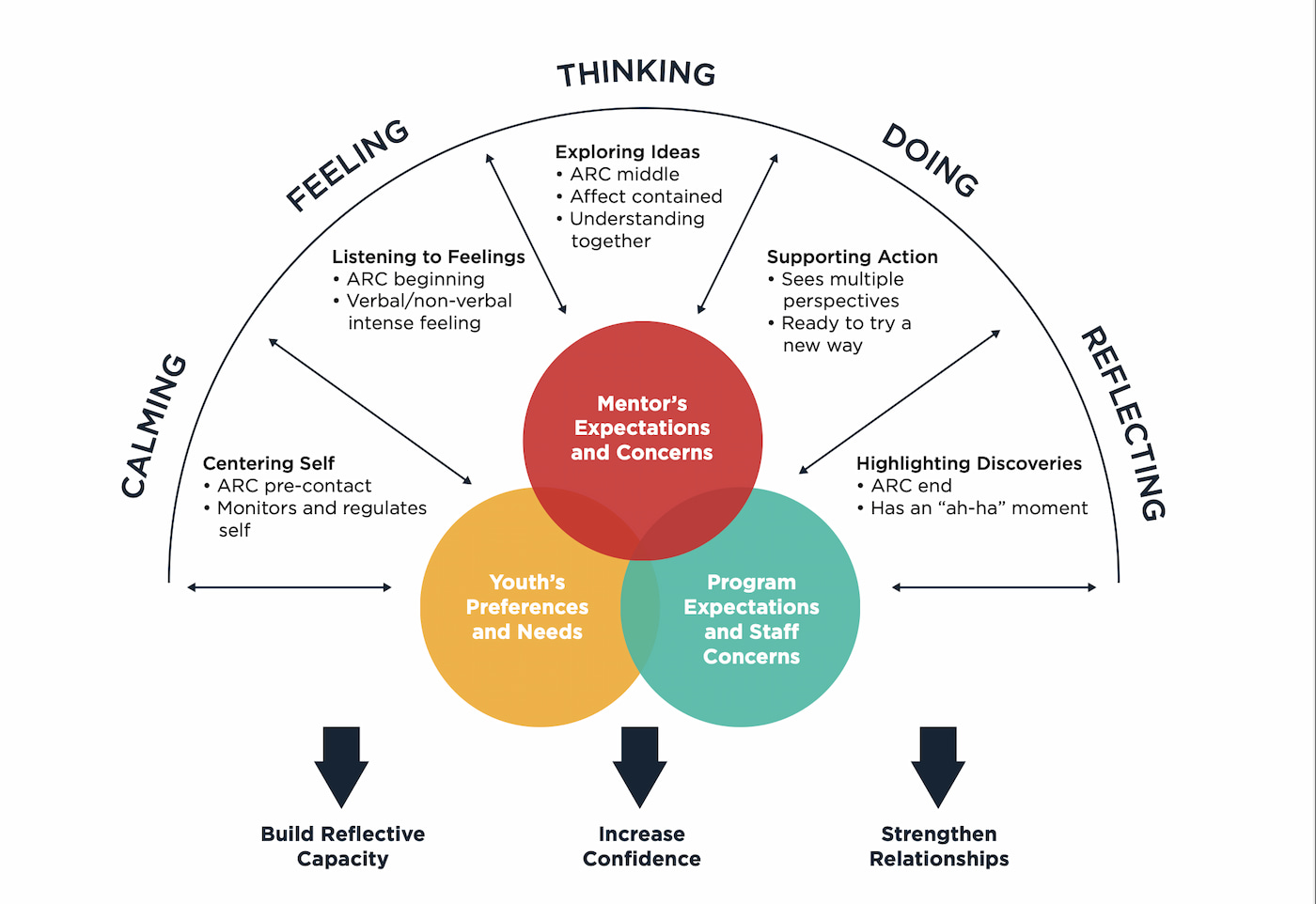
🧘 CENTERING (Self-Attunement)
Where you begin every interaction
- • Pre-Meeting Check: "How am I feeling? What assumptions am I bringing?"
- • Self-Regulation: Ground yourself before stakeholder conversations
- • Bias Awareness: Notice your own emotional state and potential triggers
- • Return Practice: Come back to centering when conversations get heated
💭 LISTENING (Stakeholder Feelings)
When stakeholders express emotions about the product/situation
- • Verbal Cues: "This is frustrating," "Users are angry," "The team is excited"
- • Non-Verbal Cues: Body language, tone, energy level changes
- • Attunement Response: Acknowledge feelings before moving to solutions
- • Example: "I can hear how concerning this user feedback is for you..."
🤔 EXPLORING (Collaborative Thinking)
When stakeholders want to problem-solve together
- • Signal: They ask "What do you think?" or start brainstorming
- • Approach: Build on their ideas rather than presenting your solution
- • Collaboration: "What has worked in similar situations?"
- • Shared Discovery: Explore problems and solutions together
⚡ SUPPORTING (Action & Implementation)
When stakeholders are ready to move forward
- • Recognition: They see multiple perspectives and want to try something new
- • Support Role: Help them implement their insights
- • Resource Provision: Offer tools, frameworks, or connections they need
- • Empowerment: Let them own the solution while you provide support
✨ REFLECTING (Highlighting Insights)
When stakeholders have breakthrough moments
- • "Aha" Moments: They realize something important about users or the product
- • Recognition: "That's a great insight!" "You're seeing the pattern now"
- • Reinforcement: Help them recognize their own wisdom and expertise
- • Integration: Connect insights back to product decisions
The ARC Questions for Product Managers
- Pre-Contact: "How am I feeling about this meeting/project/stakeholder?"
- Beginning: "How has this sprint/project/challenge been for you so far?"
- Middle: "Are we focusing on what's most important to you right now?"
- End: "What stands out from our conversation? What are you taking away?"
Core Philosophy
This methodology is designed specifically for Product Managers and Product Dream Weavers - whether you work within organizations or as freelance consultants. It combines product management best practices with intentional personal development, recognizing that exceptional products emerge from professionals who understand themselves deeply and can genuinely connect with stakeholders.
What are Product Dream Weavers?
Product Dream Weavers are product managers who go beyond feature delivery to craft experiences that truly resonate with users and stakeholders. They weave together technical possibility, user needs, business objectives, and human psychology to create products that feel almost magical in their alignment with real-world problems.
Core Principle: Attunement in Product Management
Attunement is the foundational skill that separates good product managers from exceptional ones. Adapted from relationship psychology and mentoring research, attunement in product management means:
The ability to tune into stakeholders' (users, clients, team members, executives) verbal and non-verbal cues, understand their underlying needs and concerns, and respond in ways that make them feel genuinely heard and valued while advancing product goals.
The Four Dimensions of Product Management Attunement:
1. Self-Attunement
- • Understanding your own emotional state, biases, and triggers
- • Recognizing when your assumptions are driving decisions
- • Managing your reactions during difficult stakeholder conversations
- • Staying centered when facing conflicting priorities or pressure
2. User Attunement
- • Reading between the lines of user feedback and behavior
- • Understanding the emotional context behind feature requests
- • Recognizing unspoken user needs and pain points
- • Responding to user cues with empathy while maintaining product vision
3. Team Attunement
- • Sensing team dynamics, stress levels, and unspoken concerns
- • Understanding when engineers, designers, or marketers are struggling
- • Reading the room during meetings and adjusting communication accordingly
- • Building psychological safety where team members feel heard
4. Executive/Client Attunement
- • Understanding the pressures and motivations driving leadership decisions
- • Reading political undercurrents in organizational conversations
- • Sensing when stakeholders have concerns they're not expressing directly
- • Responding to executive cues while maintaining product integrity
The Value-Driven Approach for Product Managers
Always be guided by core product values and user needs rather than reacting to the loudest voice or most recent request. This creates:
- • Consistent product vision and roadmap decisions
- • Trust with stakeholders who see principled decision-making
- • Better long-term outcomes than reactive feature building
- • Clear framework for prioritization and trade-off decisions
Personal Development Framework
The Geopsychological Terrain of Self-Discovery
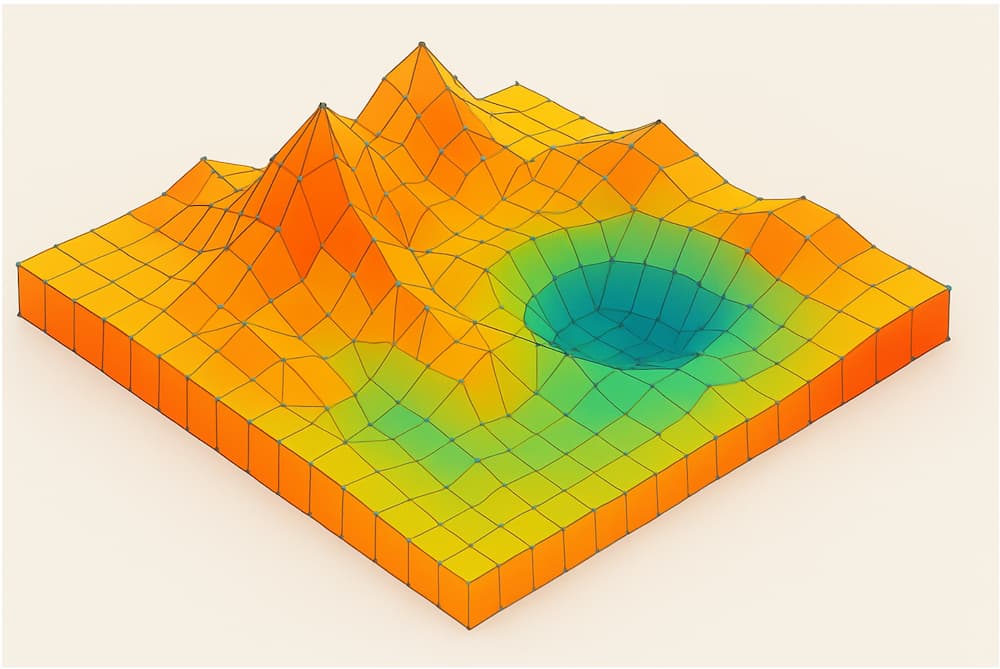
Imagine your professional capabilities as a landscape with varying elevations:
🏔️ Mountains
Your natural strengths, core competencies, and areas of excellence
🏞️ Critical Valleys
Areas that have historically blocked your success or prevented career advancement
🌾 Plains
Neutral competencies with potential for growth
Key Insight: Amplify Strengths While Addressing Critical Gaps
Focus primarily on making your mountains even higher while strategically addressing only those valleys that have actually hindered your progress. This approach:
- • Leverages your natural advantages for maximum impact
- • Creates unique value propositions in the product management field
- • Leads to greater fulfillment and career success
- • Allows you to contribute your distinctive strengths to teams and projects
- • Addresses only performance-blocking gaps, not comparison-based insecurities
The North Star Professional Framework
❌ Don't Chase Titles, Follow Fulfillment
Many professionals make the mistake of setting job titles or positions as their ultimate goal, sacrificing relationships and values to achieve them.
⭐ The North Star Approach
Identify the core reasons why you want professional success:
- • Feeling excited to go to work
- • Pride in your contributions
- • Comfort and security
- • Impact on others
- • Personal growth and challenge
🧭 Navigation Principles:
- • When your North Star is visible → Follow it directly
- • When obstacles appear → Find alternative paths while keeping the star in sight
- • When the star is hidden → Follow curiosity and keep engaging with the world, then realign to its direction when it becomes visible again
Relationship Management Triangle
1. Predictability
Being "Safe" to Work With
- • Develop consistent patterns of behavior
- • Create a reliable "personal brand" that people can count on
- • Reduce ambiguity in how others interact with you
- • Follow through on commitments consistently
2. Attention
Genuine Care and Focus
- • Give people your full attention during interactions
- • Remember details about their challenges and goals
- • Reach out proactively to maintain connections
- • Show interest in their success, not just your own needs
3. Post-Interaction Feeling
The Lasting Impact
- • Always consider: "How will this person feel after our interaction?"
- • Aim to leave people feeling heard, valued, and optimistic
- • Address conflicts in ways that preserve dignity
- • Remember that relationships decline gradually, often long before they visibly end
Product Management Methodology
The Attunement-Driven Development Framework
Week 1: Stakeholder-Centric Discovery
Goal: Build a functional prototype that generates meaningful feedback within one week through genuine stakeholder engagement.
Attunement Application:
- Center Yourself: Before user interviews or stakeholder meetings, check your assumptions and emotional state
- Listen First: Let stakeholders fully express their frustrations, needs, and ideas before proposing solutions
- Explore Together: Ask "What solutions have you tried?" rather than immediately presenting your ideas
- Support Their Insights: Help stakeholders feel ownership of the solution direction
1. Concierge MVP
Manually deliver core value to understand real workflows
2. Stakeholder-Informed Demo
Something users and clients can interact with meaningfully
3. Attuned Feedback Collection
Structured approach that makes people feel heard, not interrogated
Continuous Validation Through Attunement
Phase 1: Assumption Mapping with Stakeholder Input
- • Document assumptions about user needs, business requirements, and technical constraints
- • Prioritize assumptions by risk and stakeholder impact
- • Design collaborative tests that involve stakeholders in validation
- • Use attunement to understand the emotional weight behind different assumptions
Phase 2: Stakeholder-Centered Discovery
- • Conduct regular sessions focused on understanding, not just gathering requirements
- • Validate assumptions through observation and conversation, not just surveys
- • Make stakeholders feel heard by incorporating their domain expertise into solutions
- • Use the PM-FAN model to guide conversation flow and depth
Phase 3: Collaborative Iteration
- • Build minimum functionality needed to test core hypotheses with real stakeholders
- • Get feedback through attuned conversations that build relationships
- • Pivot based on validated learning AND stakeholder emotional responses
- • Ensure stakeholders feel ownership of successful outcomes
Stakeholder Relationship Management
Understanding Product Stakeholder Psychology
😤 Common Stakeholder Frustration Sources
- • Feeling unheard when providing product feedback
- • Perceiving that their domain expertise is being ignored
- • Lack of transparency in product decisions and trade-offs
- • Being asked to repeat requirements or user insights multiple times
- • Feeling like the product team doesn't understand their users/business
🤝 Attunement Response Framework
- • Acknowledge Expertise: "You understand your users better than anyone"
- • Show Impact: Demonstrate how their input directly influenced product decisions
- • Position as Collaborator: "Help me understand how this affects your workflow"
- • Give Ownership: Let them feel responsible for successful product outcomes
- • Transfer Credit: "This solution came from your insight about user behavior"
De-escalation Through Attunement
Core Principle: Value-Driven, Not Reactive Response
When Stakeholders Are Frustrated:
- Center Yourself: Take a breath, notice your own emotional state
- Listen Fully: Let them express frustration without defending or explaining
- Acknowledge Impact: "I can see how this affects your team's ability to serve customers"
- Explore Together: "Help me understand what would make this work for your workflow"
- Reflect and Support: Find solutions that address root concerns, not just surface requests
Engineering Team Pushback
❌ Traditional: "This is the roadmap we need to follow"
✅ Attunement: "I hear that this timeline feels unrealistic. What are you most concerned about technically?"
Executive Pressure for Features
❌ Traditional: "User research shows this isn't a priority"
✅ Attunement: "Help me understand the business context driving this request. What happens if we don't deliver this?"
Implementation Guidelines
Daily Practices for Product Dream Weavers
🗓️ Stakeholder Interaction Protocols
- Pre-Meeting Centering: Check your emotional state and assumptions before important conversations
- Active Attunement: Use PM-FAN model to guide stakeholder interactions
- Value Anchoring: Regularly connect discussions back to user needs and business outcomes
- Insight Documentation: Capture both functional requirements and stakeholder relationship dynamics
- Follow-up Mastery: Send summaries that make stakeholders feel heard and confirm next steps
📈 Personal Development Habits for PMs
- • Weekly Mountain Assessment: What core PM strengths did you leverage this week?
- • Monthly North Star Check: Are your current projects aligned with your career fulfillment goals?
- • Stakeholder Relationship Audit: How are people feeling after working with you on product decisions?
- • Attunement Practice: Reflect on which PM-FAN states you're most comfortable with
Measurement and Iteration for Product Success
🔗 Relationship Quality Indicators
- • Stakeholder Engagement: How much voluntary input and feedback are you receiving?
- • Solution Adoption: Are stakeholders actively using and advocating for your solutions?
- • Trust Building: Do people come to you early when problems arise?
- • Collaborative Innovation: Are stakeholders proposing ideas and solutions?
📊 Product & Personal Success Metrics
- • User Satisfaction: Do users feel heard and understood through your product decisions?
- • Product Adoption: Are people actually using what you build?
- • Iteration Velocity: How quickly can you test and implement changes based on feedback?
- • Stakeholder Relationships: Are working relationships strengthening over time?
- • Team Health: Does your product team feel engaged and effective?
Practical Applications
For Internal Product Managers
Cross-Functional Product Development
- • Requirements Gathering: Use attunement to understand the real needs behind stakeholder requests
- • Roadmap Planning: Include stakeholder perspectives in prioritization while maintaining product vision
- • Feature Development: Ensure engineers and designers feel ownership of solutions
- • Launch Coordination: Help marketing and sales teams feel confident about positioning and messaging
For Freelance/Consulting PMs
Client Partnership Approach
- • Technical Facilitator: Present yourself as the tool that helps clients express their domain expertise in product form
- • Collaborative Discovery: Give clients credit for insights and solutions that emerge from your work together
- • Capability Building: Focus on enabling client success rather than showcasing your product skills
- • Knowledge Transfer: Build solutions that clients can understand, own, and evolve
Conclusion
This methodology recognizes that exceptional product management is fundamentally about human connection, understanding, and collaborative problem-solving. Whether you work within an organization or as a freelance consultant, your success depends not just on technical product skills, but on your ability to:
- • Understand yourself deeply (Geopsychological Terrain of Self-Discovery) and leverage your unique strengths
- • Connect authentically with stakeholders through attunement and genuine listening
- • Guide collaboratively toward solutions that stakeholders feel ownership over
- • Maintain product vision while being flexible in how you achieve it
Remember: Focus on amplifying your unique strengths while staying deeply attuned to the people you serve. The most successful products emerge from this combination of personal excellence and genuine human connection. As a Product Dream Weaver, you're not just building features - you're crafting experiences that feel almost magical because they align so perfectly with real human needs and organizational realities.